
Parliament Adjourned Amidst Calls for Accountability and NEET Discussions
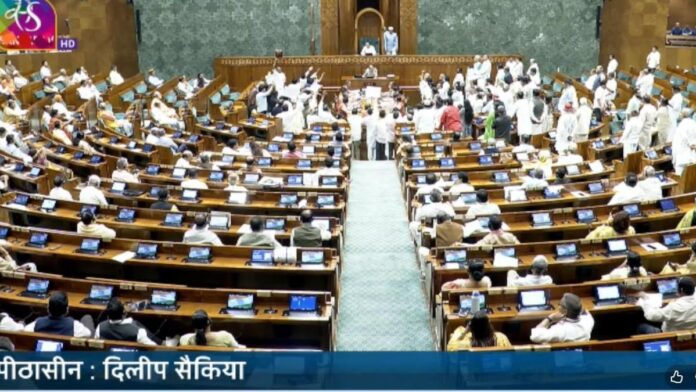
On the fourth day of the Monsoon Session, both Houses of Parliament faced an abrupt adjournment until 2 p.m., largely driven by escalating protests from the Opposition. The uproar centered around demands for the resignation of Union Education Minister Dharmendra Pradhan and an inquiry into the recently alleged leak of the NEET (National Eligibility cum Entrance Test) papers. These developments unfolded highlighting growing tensions between the ruling government and opposition parties during this critical legislative period.
The opposition’s demand for Minister Pradhan’s resignation stems from the controversy surrounding the NEET examination, which is a pivotal test for medical aspirants across India. The allegations suggest that there may have been irregularities in the conduct of the exam, prompting heightened scrutiny from opposition leaders, including Leader of Opposition in Rajya Sabha Mallikarjun Kharge. The protests underscore a broader call for greater transparency and accountability within the government regarding educational reforms and examination integrity.
As the session began, it became clear that the possibility of discussion regarding the NEET situation was a significant agenda item for the day. The government has urged for an open dialogue on the matter without any pre-conditions. However, the Opposition’s insistence on accountability for the alleged paper leak has turned the parliamentary atmosphere contentious.
The Call for Resignation and Government Response
Mallikarjun Kharge and other opposition leaders have been vocal about their demands for Minister Pradhan’s resignation, emphasizing the need for immediate action and clarification regarding the NEET paper leak. They argue that this incident, if true, could have dire consequences for thousands of students who depend on a fair examination process for their future medical careers. Kharge addressed the media, stating that the integrity of the examination system must be preserved and that accountability is vital in restoring public trust.
On the other hand, the government has called for discussions surrounding NEET, expressing a willingness to engage with the concerns raised. However, the insistence on conducting these discussions without pre-conditions has led to friction between the two sides, with the opposition interpreting this as a lack of genuine commitment to address their concerns. “We are ready for talks, but the government must take the first step by addressing the issue seriously,” said Kharge, highlighting the growing impatience among opposition members.
Ongoing Protests and Legislative Challenges
The protests disrupted proceedings, with members of opposition parties raising slogans and demanding a statement from the government. The situation was so intense that it led to a temporary suspension of the session, showcasing the increasing divide in Parliament. Similar protests have been seen in previous sessions, but the current climate seems more charged, particularly with significant issues like education and exam integrity at stake.
The larger implications of these developments could affect the government’s legislative agenda for the session. With a packed calendar involving various bills and discussions, the ongoing turmoil might hinder progress on crucial issues. Furthermore, if a consensus cannot be reached regarding NEET, it could lead to longer-term repercussions for educational policies and student welfare initiatives.
Broader Context of Educational Reforms
The NEET exam has been a contentious issue in India since its introduction, with debates surrounding its fairness and effectiveness continuing to rage. Proponents argue that a standardized national test is essential to maintain quality in medical education, while critics point to systemic flaws and accessibility issues that can disadvantage students from less privileged backgrounds.
These ongoing discussions feed into a larger narrative about educational reforms in India, particularly as the country grapples with a burgeoning youth population seeking higher education opportunities. The current government has emphasized its commitment to revamping educational frameworks, but incidents like the NEET paper leak threaten to undermine these efforts and erode public confidence.
According to a reports, the discussion surrounding educational integrity is not new, yet the recurrence of such allegations raises questions about the effectiveness of existing oversight mechanisms. As the Parliament attempts to navigate these turbulent waters, the future of educational policies may likely be determined by how effectively the government addresses the concerns raised by the opposition.
What This Means Going Forward
As Parliament reconvenes later today, all eyes will be on the government’s response to the opposition’s demands concerning the NEET paper leak. What unfolds in the coming hours could set the tone for the remainder of the Monsoon Session and impact future discussions surrounding educational policies in India.
If the government fails to address these demands effectively, it risks facing additional criticism and unrest from opposition parties, possibly delaying critical legislative measures in other sectors. Conversely, a proactive approach to address the issues raised could help ease tensions and pave the way for a more cooperative legislative environment.
Looking ahead, stakeholders, including students, educators, and policymakers, will be watching closely. The outcomes of these discussions may not only influence immediate decisions regarding the NEET exam but also lay the foundation for future reforms in the Indian education system as a whole. In this climate of uncertainty, one thing remains clear: accountability and transparency will be paramount in restoring faith in the examination processes that shape the future of countless students.
For further insights and updates, visit related articles on our website, including a detailed breakdown of the NEET examination process (https://neet.nta.nic.in/) and an overview of recent educational reforms initiated by the government.
As the nation looks on, the pivotal question remains: will Parliament rise to the occasion and restore trust in the education system, or will the political wrangling continue to overshadow the essential discourse of reform?

