
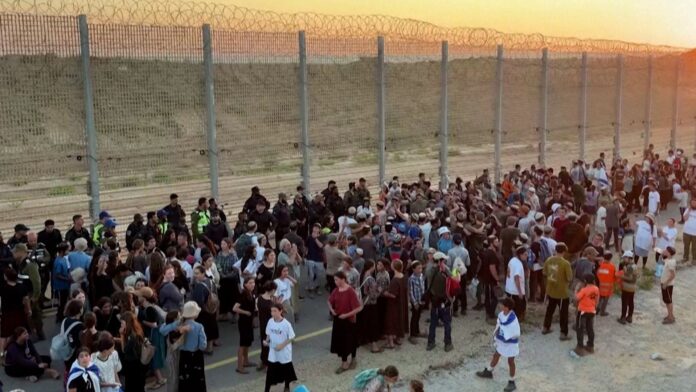
Calls for a Return to Gaza Settlements Grow Among Israeli Officials and Settlers
In recent developments, a coalition of Israeli ministers and settler leaders has intensified calls for the re-establishment of settlements in the Gaza Strip, an area that has been a focal point of conflict and contention for decades. This resurgence of interest comes following the ongoing hostilities between Israel and Hamas, casting a spotlight on the complex and fragile situation in the region. The advocates are expressing a strong belief that “Gaza is ours,” a sentiment that is igniting heated debate within Israel and beyond.
The driving forces behind this renewed push are several prominent Israeli figures and organizations who argue that a return to settlements in Gaza would contribute to national security and reinforce Israel’s claim to the territory. Key advocates believe that resettlement could serve as a countermeasure to alleged threats emanating from Hamas-controlled Gaza. The calls have gained traction in the wake of increased violence and hostilities, making the topic not only politically charged but also emotionally resonant given the history of the Gaza conflict.
The current discourse around Gaza settlements is intertwined with the proximity of long-standing tensions that have historically characterized Israeli-Palestinian relations. Following the Israeli disengagement from Gaza in 2005, which led to the evacuation of settlements and the withdrawal of Israeli forces, the region has remained a contentious battleground. Settler leaders are now seeking to revise what they view as a hasty decision, arguing that security concerns and regional dynamics necessitate a reconsideration of Israel’s stance on Gaza.
Who is Leading the Charge for Re-Establishing Settlements?
Among the most notable advocates of this initiative are members of the Israeli government, particularly those associated with the right-wing factions. Prominent ministers have been vocal in their support, suggesting that re-establishing a presence in Gaza is not just a matter of territorial claim but a critical step towards enhancing Israel’s security. This underscores a broader ideological belief in the right of Jews to inhabit all parts of historic Palestine, a narrative that resonates deeply with a significant portion of the Israeli electorate.
Notably, figures such as the Minister of National Security, Itamar Ben-Gvir, have articulated these positions publicly. Ben-Gvir’s statements often emphasize the historical and religious significance of Gaza to the Jewish people, framing the issue in terms of cultural and national identity rather than merely political strategy. Similarly, many settlers who were displaced in 2005 have been vocal about their desire to return, articulating personal narratives that highlight their attachment to the land.
The Context of Renewed Tensions
The timing of these calls comes amidst significant escalations in violence, particularly after a series of clashes that have erupted between Israeli forces and Palestinian militants. The backdrop includes incidents of rocket fire from Gaza and retaliatory air strikes by Israel, further complicating the fragile situation in the region. The narratives surrounding these conflicts often fuel public sentiment, making the return to Gaza settlements a contentious issue.
Moreover, the recent surge in anti-Israel sentiments and attacks against Israeli civilians has reinforced the belief among many officials and settlers that a stronger Israeli presence in Gaza is essential for national security. They argue that the absence of settlements has allowed militant groups to gain a foothold, and that a physical return to these areas would act as a deterrent against future aggression.
What Are the Implications of This Push?
The implications of this movement are multifaceted and could have profound effects on both Israeli and Palestinian communities. A return to settlements in Gaza would likely exacerbate existing tensions and lead to renewed confrontations. Palestinian representatives have historically opposed any form of Israeli settlement expansion, viewing it as a direct challenge to their sovereignty and rights. Such actions could undermine any prospects for peace negotiations and further entrench divisions between both peoples.
The international community is also closely watching these developments. There are concerns that renewed settlement activity in Gaza could provoke condemnation from various states and organizations that advocate for a two-state solution. This potential backlash could further isolate Israel on the global stage and complicate existing diplomatic relations.
A Perspective from the Ground
Voices from within Gaza and the broader Palestinian territories reflect a deep skepticism regarding the intentions behind these calls. Many Palestinians perceive the push for settlements as yet another attempt to erase their historical claims to the land. Adding to the complexity, humanitarian conditions in Gaza remain dire, with severe restrictions impacting daily life, and the prospect of further encroachments would likely lead to widespread civil unrest.
Securing the voices from within Gaza is critical for understanding the real impact of these political maneuvers. Residents express fears that any attempt to re-establish Israeli settlements could lead to another wave of violence and displacement, reiterating the pain of the past intertwined with their daily lives. International observers, including human rights organizations, often highlight the need for dialogue rather than unilateral actions, underscoring a desire for peaceful coexistence.
Broader Implications of the Resettlement Discussion
As the situation continues to evolve, the ongoing debate about the return to Gaza settlements serves as a reminder of the many complexities involved in the Israeli-Palestinian conflict. The interplay between nationalistic fervor, security concerns, and historical grievances creates a complicated tapestry that is difficult to navigate. The dialogue surrounding these settlements raises questions not just about territorial claims but also about justice, equity, and the ability to forge a shared future.
Looking ahead, it is essential for both Israeli and Palestinian leaders to engage in meaningful dialogue that considers the rights and aspirations of all people involved. The calls to return to Gaza settlements underscore a critical juncture at which residents of both sides must address their narratives, fears, and hopes for the future. Only through cooperation and understanding can true peace be achieved in this historically rich yet highly contested region.
In conclusion, the renewed calls for Israeli settlements in Gaza not only reflect the evolving political landscape within Israel but also serve as a potent reminder of the unresolved tensions that define the Israeli-Palestinian conflict. As both sides grapple with their identities and aspirations, the path forward remains fraught with challenges but also holds the potential for dialogue and reconciliation. The question of how this situation will unfold remains uncertain, and ongoing observation will be critical for understanding its implications.

