
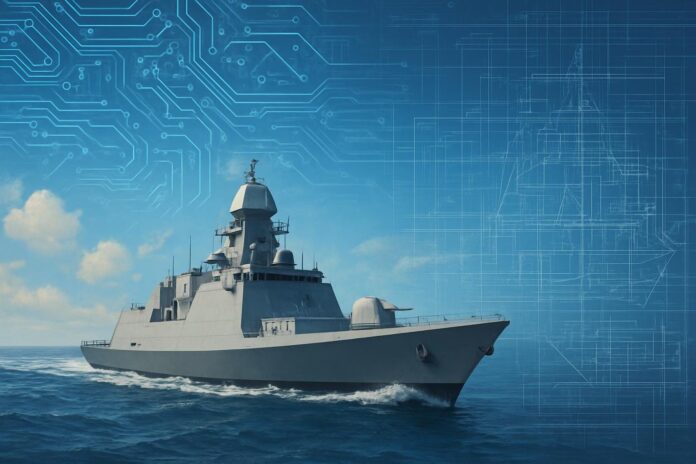
Strategic shift from platform manufacturing to technology ownership by 2035
India has made significant progress in defence indigenisation, manufacturing military platforms locally and expanding defence exports. However, a crucial evolution in its defence policy is the drive to fully own the technologies that power these platforms by the year 2035. This move aims to strengthen India’s strategic autonomy and technological capability in an increasingly complex global security environment.
Current state of India’s defence indigenisation
India’s defence industry has achieved remarkable strides in recent years. Notably, the Indian Navy recently received the final Project 17A stealth frigate, Vindhyagiri, completing its seven-ship programme. This milestone demonstrates the country’s capability to build complex, state-of-the-art military platforms domestically.
Moreover, India’s ambitions on the global defence stage are growing. The country has showcased numerous indigenous military platforms to journalists from 32 countries, underscoring its intent to be a significant defence exporter. This international outreach highlights India’s progress but also its vision to future-proof its defence technology.
Why owning technology matters more than manufacturing platforms
Manufacturing platforms such as warships, aircraft, or missile systems domestically is a key step in defence self-reliance. However, owning the core technologies behind these platforms—including advanced propulsion systems, avionics, weaponry, and software—is pivotal for genuine technological sovereignty.
The difference is critical. Platforms can be assembled locally using imported technologies or licensed components, which may leave India dependent on foreign suppliers and vulnerable to strategic pressures. By owning the intellectual property and technology development, India can:
- Ensure supply chain security amid geopolitical uncertainties
- Customize and upgrade systems independently to meet evolving threats
- Accelerate innovation and reduce costs by mastering key technologies
- Expand defence exports with competitive, fully indigenous offerings
This comprehensive approach aligns with global trends, where technological edge often decides military superiority.
Co-development and international partnerships
To accelerate technology ownership, India is engaging in fast-track co-development and co-production agreements with key partners. A notable example is the agreement with the United Arab Emirates (UAE) to jointly develop next-generation defence equipment.
Such partnerships provide access to advanced technologies while building indigenous capacities. They also create interoperable defence systems with friendly nations, enhancing strategic ties.
India’s strategy balances fostering domestic innovation ecosystems with leveraging global collaborations, thereby avoiding the pitfalls of isolation while retaining control over critical technologies.
Owning technological innovation, not just assembling platforms, will ensure India’s defence future is secure and self-reliant.
Implications for India’s defence future
With a target year of 2035, India’s defence sector is setting a long-term vision to transform from a platform manufacturer to a technology owner and innovator. This transformation will require substantial investment in research and development, nurturing indigenous talent, and aligning industry capabilities.
Policymakers and defence planners recognize that technology ownership forms the backbone of strategic autonomy. This is crucial given India’s evolving security challenges and aspirations to emerge as a major defence exporter and global defence technology leader.
For more insights on India’s defence development and related policy frameworks, readers can refer to detailed analyses on India’s defence innovation ecosystem here and defence export strategies here.
As India progresses toward 2035, the key unresolved question remains how swiftly and effectively the indigenous defence industry can bridge the gap from assembling to innovating and owning critical military technologies.
Read this story in other languages: Hams Live Urdu | Hams Live Hindi | Hams Live Arabic.

