
Israeli Prime Minister Benjamin Netanyahu’s remarks are timely, coinciding with increased military tensions in the region and ongoing skirmishes that have left both sides on high alert.
Israeli Prime Minister Benjamin Netanyahu has made headlines by affirming the nation’s resolve to maintain its military presence in southern Lebanon until the Shiite militant group Hezbollah is fully disarmed. This declaration underscores Israel’s ongoing security concerns regarding Hezbollah, an organization that has long been seen as a significant threat along its northern border.
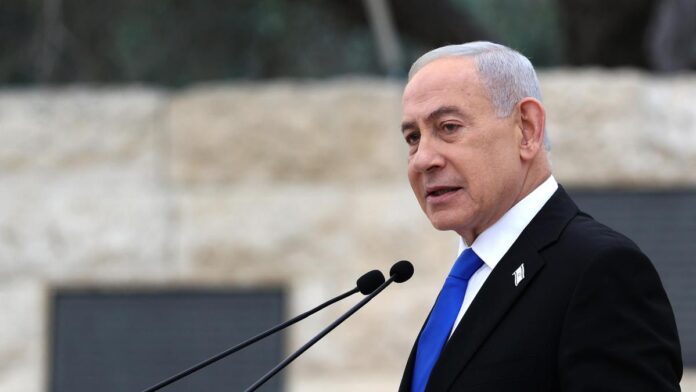
The Prime Minister’s statement, delivered during a recent press conference, emphasized the criticality of Israel’s security operations in the region. He stated, “The most important thing is, first of all, that Israel remains in the security zone in southern Lebanon. This is a major achievement, and we will maintain it as long as Hezbollah has not disarmed.” This proclamation not only reveals Israel’s strategic plan but also highlights the complexity of the regional dynamics.
“The most important thing is, first of all, that Israel remains in the security zone in southern Lebanon. This is a major achievement, and we will maintain it as long as Hezbollah has not disarmed.”
Israeli Prime Minister Benjamin Netanyahu
Who is involved in this situation? The parties central to this ongoing issue include Israel, under Netanyahu’s leadership, and Hezbollah, a militant group backed by Iran and operating extensively in Lebanon. The Israeli government has long perceived Hezbollah as a hostile entity, perpetually armed and posing a threat to its northern territories.
Where does this situation unfold? Southern Lebanon has been a focal point of tension between Israel and Hezbollah, particularly in the context of the Israel-Lebanon conflict. Israel’s security zone in southern Lebanon was established after the Israeli withdrawal in 2000 but has been a point of contention since.
When did these assertions come to light? Netanyahu’s remarks are timely, coinciding with increased military tensions in the region and ongoing skirmishes that have left both sides on high alert. The context of his statements suggests a broader strategy aimed at ensuring Israel’s security posture amid a volatile backdrop.
Why is this significant? Netanyahu’s insistence on the need for Hezbollah’s disarmament is a clear indication of Israel’s determination to secure its borders. The Prime Minister’s comments reveal an unwillingness to compromise on this issue, despite the diplomatic complexities it entails, especially regarding Lebanon’s sovereignty.
How is Israel planning to maintain its presence? The Israeli Defense Forces (IDF) are expected to bolster their operations in the area, with an approach rooted in deterrence to dissuade Hezbollah from potential aggression. Israeli military analysts note that as long as Hezbollah retains its arsenal, Israel views an ongoing military presence as essential to avert threats.
The backdrop of this situation includes a long history of conflict and intermittent peace efforts between Israel and Lebanon. The 2006 Lebanon War, which saw a month-long conflict between the IDF and Hezbollah, continues to shape current military strategies and political dialogues. Since that war, Hezbollah has significantly fortified its military capabilities, raising alarms in Jerusalem regarding the potential for future conflicts.
Regional responses to Netanyahu’s stance have varied. Lebanese officials have condemned Israeli military actions and reaffirmed their commitment to resisting any foreign military presence on Lebanese soil. Meanwhile, international observers and organizations continue to focus on the need for stability in Lebanon and the potential implications of ongoing Israeli military activities in the region.
Israel’s military strategy in southern Lebanon is not solely about countering Hezbollah’s capabilities; it also involves a broader geopolitical understanding. Tensions between Israel, Iran, and their respective allies complicate the situation further. Iran’s backing of Hezbollah adds a layer of complexity to Israel’s military calculus, as Tehran remains committed to supporting its proxy groups across the region.
The international community has expressed concern about the potential for escalation in southern Lebanon. Calls for dialogue and disarmament have emerged from various quarters, advocating for a peaceful resolution to the long-standing tensions. Yet, Netanyahu’s recent declarations suggest that Israel is unlikely to shift its military posture without tangible changes in Hezbollah’s armament status.
Amidst these developments, various factions in Lebanon are weighing their responses to potential shifts in Israeli military strategy. The internal political landscape in Lebanon features multiple players, each with its interests, making any coordinated response to Netanyahu’s stance challenging.
What does this mean for the future? As Israel maintains its position in southern Lebanon, the military landscape may continue to shift. The potential for increased skirmishes remains high as both sides prepare for any eventualities. Observers will watch closely to see how Hezbollah responds to Israeli military presence and whether this situation might lead to renewed diplomatic efforts or escalatory conflicts.
In conclusion, Netanyahu’s insistence on remaining in southern Lebanon until Hezbollah is disarmed underlines Israel’s broader national security strategy. As the situation evolves, the implications of this military strategy could resonate beyond the Israel-Lebanon border, impacting regional dynamics and international relations. The path forward remains uncertain, but the commitment to securing Israel’s northern front remains clear.

